Introduction
Lawn care may seem like a tedious chore, but it’s actually an art that can transform your yard into a lush paradise. One of the most common questions homeowners grapple with is, “How often should you aerate and fertilize your lawn?” The answer isn't straightforward, as it depends on various factors such as grass type, climate, soil condition, and even local pest pressures. In this extensive guide, we’ll explore everything you need to know about lawn aeration and fertilization—providing you with expert insights to achieve that coveted green carpet in your backyard.
Understanding Lawn Aeration
What Is Lawn Aeration?
Lawn aeration is the process of perforating the soil with holes to allow air, water, and nutrients to penetrate down to the grassroots. This practice helps alleviate soil compaction, improve drainage, and encourage healthy root growth.
Why Is Aeration Important for Your Lawn?
Aerating your lawn is crucial for several reasons:
- Improved Nutrient Absorption: By allowing essential nutrients to reach grassroots more effectively. Enhanced Water Penetration: Prevents runoff and encourages deeper watering. Stronger Root Development: Supports robust root systems that can withstand environmental stressors.
When Should You Aerate Your Lawn?
The optimal time for aerating your lawn primarily depends on your region and grass type. Here are some general guidelines:
- Cool-season grasses (e.g., Kentucky bluegrass): Fall is typically the best time. Warm-season grasses (e.g., Bermuda grass): Late spring or early summer works well.
How Often Should You Aerate Your Lawn?
Typically, lawns should be aerated every year or every other year. However, if you have heavy clay soils or experience high foot traffic on your lawn, consider aerating more frequently—perhaps even once every year. Monitoring your lawn’s health will guide you in making these decisions.
Understanding Lawn Fertilization
What Is Lawn Fertilization?
Fertilization involves applying nutrients to your lawn to promote growth. Grass requires specific elements such as nitrogen (N), phosphorus (P), and potassium (K)—often referred to as NPK—to thrive.
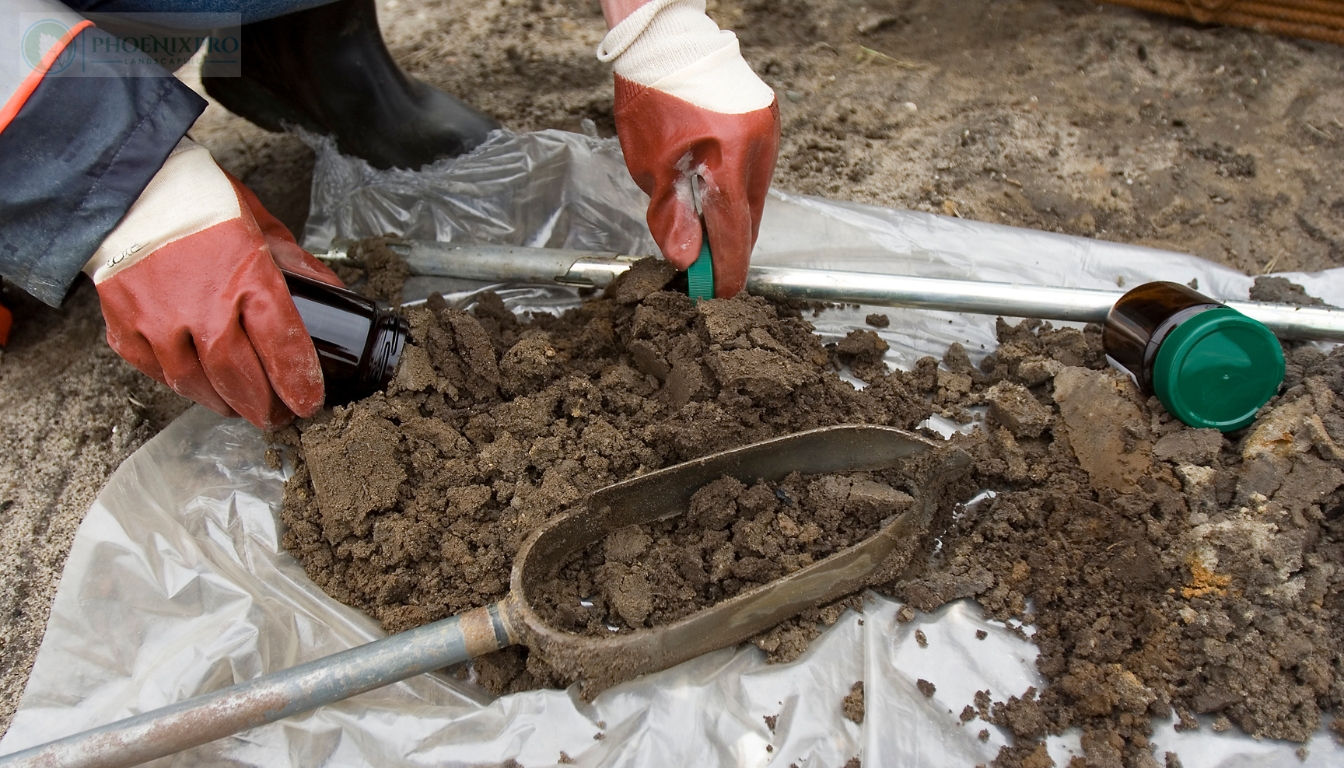
Why Is Fertilization Important?
Fertilizing your lawn offers numerous benefits:
- Promotes lush green growth Helps recover from stress or disease Enhances the overall appearance of your yard
When Should You Fertilize Your Lawn?
Timing is critical when it comes to fertilizing your grass:
- For cool-season grasses: Fertilize in early spring and again in fall. For warm-season grasses: Apply fertilizer in late spring through summer months.
How Often Should You Fertilize Your Lawn?
Generally speaking, you should fertilize every 6-8 weeks during the growing season. However, pay attention to local conditions—weather changes can alter nutrient needs.
Combining Aeration and Fertilization for Optimal Results
Why Aerate Before Fertilizing?
Aerating before applying fertilizer allows nutrients to penetrate deeply into the soil. This combination ensures that fertilizers reach where they are needed most—the roots of the grass.
Ideal Timing for Combined Treatment
For both cool-season grasses and warm-season varieties, consider aerating and fertilizing together in early spring or late summer/early fall when grass is actively growing.
How To Sharpen Lawn Mower Blades for a Healthy Lawn
Keeping mower blades sharp is essential for clean cuts on grass. Dull blades tear reliable Phoenix Pro Landscaping rather than cut grass efficiently, leading to a stressed lawn prone to pests and diseases.
Steps for Sharpening Mower Blades:
Disconnect spark plug wire. Remove blades using appropriate tools. Use a metal file or grinder for sharpening edges at a 45-degree angle. Reattach blades securely before using.Understanding Thatch: What Is It?
Thatch refers to a layer of dead grass clippings, roots, and other organic material that accumulates between the soil surface and green vegetation. While some thatch can be beneficial in protecting roots during landscaping design near me extreme weather conditions, excessive buildup can suffocate grassroots.
How To Tell If You Have Thatch Build-Up
To check if your lawn has too much thatch:
Dig out a small section of sod about 3 inches deep. Measure the layer between the soil surface and green vegetation; more than ½ inch indicates excessive thatch.When To Dethatch Your Lawn?
Dethatching should be done when grass is actively growing—typically in early spring or early fall depending on whether it's cool-season or warm-season grass.
Signs That Indicate Dethatching
- Poor drainage after heavy rains Dead patches appearing in drought conditions Difficulty keeping moisture levels consistent
Can You Mow The Lawn When Wet?
While it's technically possible to mow wet grass, it's generally not recommended since it can lead to uneven cuts or damage lawn equipment by clogging it with mud. If you must mow while it's damp:
Raise mower blades slightly higher than usual. Ensure all equipment is cleaned thoroughly afterward.How To Store A Lawn Mower In The Garage Properly
Proper storage of your mower helps extend its lifespan:
Clean off any debris post-mowing. Change oil if necessary based on usage frequency. Store in a dry location away from direct sunlight. Consider covering with a tarp for additional protection against dust.FAQs About Aeration and Fertilization
Q1: How do I edge my lawn?
Edging creates clean lines around flower beds and pathways using an edging tool or spade—this keeps grass from encroaching into these areas while enhancing visual appeal.
Q2: When should I apply lawn fertilizer?
Apply fertilizer based on seasonal needs—spring for growth initiation; fall for preparing roots against winter stresses.
Q3: How much does TruGreen cost?
Pricing varies based on yard size; however average services range from $50-$100 per treatment depending on specific services required.
Q4: How do you sharpen a lawn mower blade?
Refer back to our steps mentioned above; proper tools ensure effective sharpening without damaging blades’ integrity.
Q5: When should I dethatch my lawn?
Dethatching should ideally occur during active growth periods; this ensures quicker recovery after disturbance caused by dethatching itself.
Q6: How often do I need to fertilize my grass?
Every 6-8 weeks during growing season is standard; however specific requirements may vary based on local climate conditions affecting nutrient uptake capabilities of different grasses types present within any given area!
Conclusion
In summary, knowing how often you should aerate and fertilize your lawn involves understanding multiple factors including turf type, climate conditions & maintenance frequency throughout seasons impacting plant health accordingly! Regular monitoring combined with effective strategies outlined here allows homeowners everywhere—regardless of experience level—to achieve vibrant landscapes worthy enough showcasing proudly amongst neighbors alike! So go ahead—put these tips into action today—and watch your green oasis flourish like never before!